Many Australian small businesses have relied on the Australian Taxation Office (ATO) Small Business Superannuation Clearing House (SBSCH) to manage employee superannuation payments in one transaction.
That service is being phased out as part of the transition to Payday Super, and employers who currently use the SBSCH should ensure they have an alternative SuperStream compliant payment method in place before the final closure date.
Why the SBSCH Is Closing
The closure of the SBSCH is linked to the introduction of Payday Super, which will change how and when employers are required to pay superannuation.
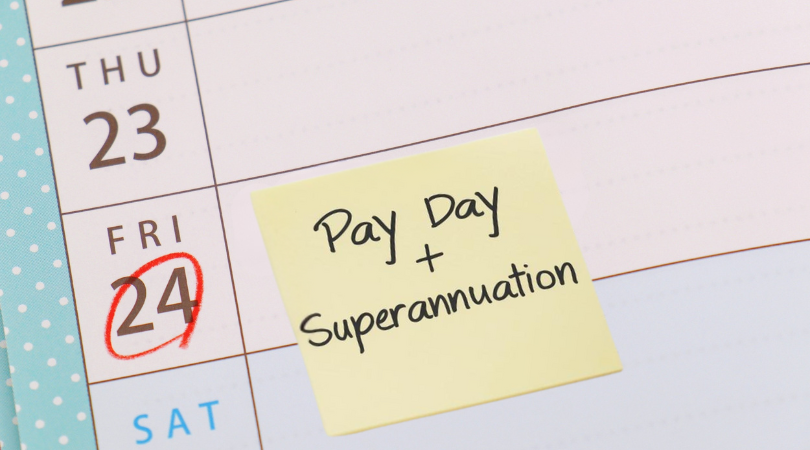
From 1 July 2026, employers will be required to pay super contributions at the same time as wages, generally within seven days of each payday.
Because the SBSCH was designed for less frequent payment cycles, it is not suited to the more frequent payment model required under Payday Super. As a result, the ATO is retiring the service.
Key dates to be aware of:
- Until 30 June 2026: Existing users can continue using the service
- From 1 July 2026: The SBSCH will close permanently and will no longer be accessible
What Small Businesses Need to Do Now
If your business has been using the SBSCH, early action is important to avoid disruption and compliance issues.
- Move to an alternative super payment solution
You will need a SuperStream compliant system that can support more frequent super payments aligned with payroll. In many cases, this will be achieved through modern payroll software that integrates super payments directly, or through a clearing house service linked to your payroll process. Reviewing your current payroll setup is a good starting point to confirm whether changes are required. - Transition well before July 2026
Although the SBSCH remains available until 30 June 2026 for existing users, leaving the switch too late increases the risk of errors or missed payments. Transitioning earlier allows time to test processes, train staff, and adjust workflows ahead of Payday Super commencing. - Download and retain SBSCH records
Before the service closes, ensure you download contribution histories and reports you may need for record keeping, audits, or employee enquiries. Once the SBSCH is closed, these records will no longer be accessible through the platform.
Preparing for Payday Super
Payday Super represents a significant shift from quarterly superannuation obligations to payments aligned with each pay cycle. For many small businesses, this will require changes to payroll processes and closer attention to cash flow timing.
To prepare, businesses should:
- Confirm employee super fund details are accurate and up to date
- Review payroll software capability and SuperStream compliance
- Establish a workflow that supports super payments with each pay run
- Train staff involved in payroll and finance functions
- Consider the cash flow impact of more frequent super payments
Next Steps
While the SBSCH has provided a simple solution for many years, its closure and the introduction of Payday Super mean employers need to review and update how they manage superannuation.
Book a time to meet with our CFO & Financial Solutions Team before 30 June 2026 to review your payroll arrangements, confirm your super payment process will be SuperStream compliant, and ensure you are ready for Payday Super, so you remain compliant and confident as these changes take effect.